Skip to Main Content
Search
A fence that looks simple from the street can be surprisingly complex once the ground starts to slope, dip, twist, or hold water. Around Staunton, VA, where properties often sit along rolling terrain near the Shenandoah Valley, a good fence is rarely just a straight line of posts.
Professional fence installers know how to turn difficult ground into a clean, stable, and attractive fence line. The difference comes down to planning, measuring, materials, and field experience.
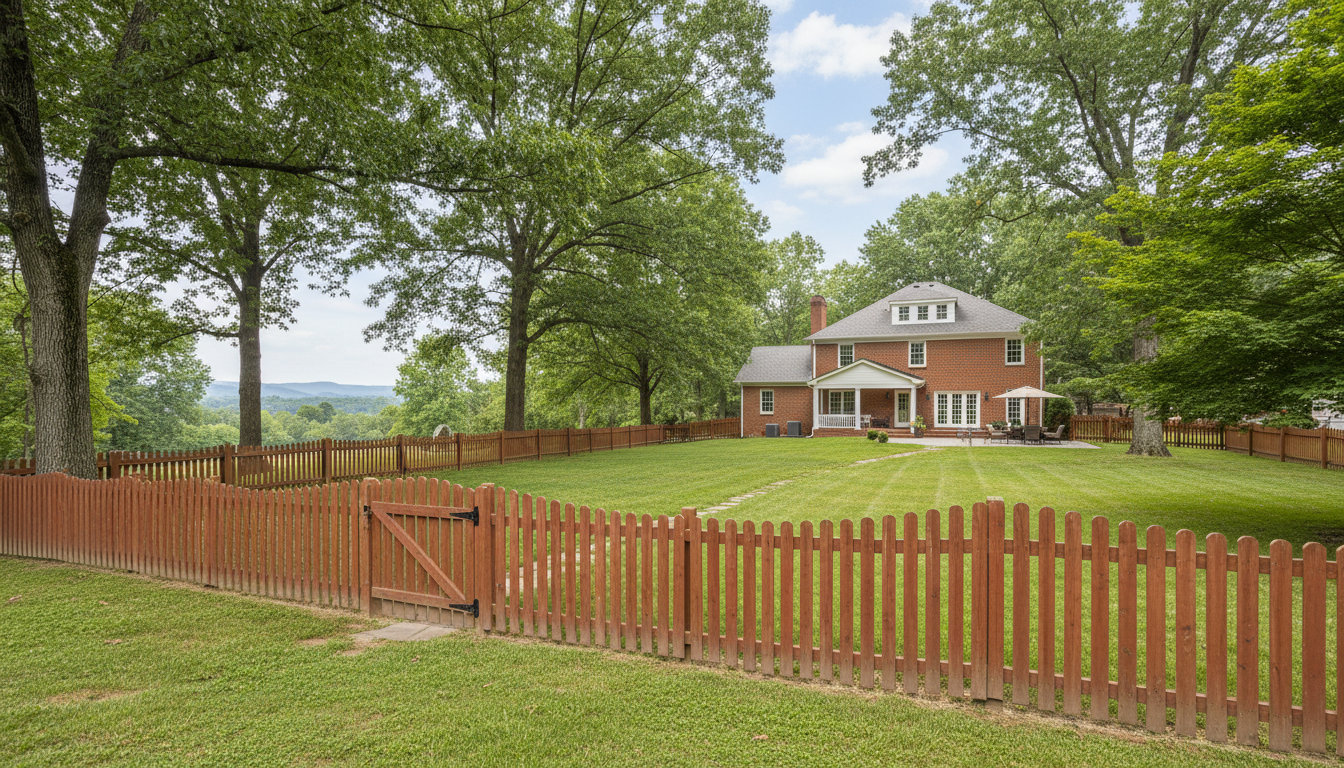
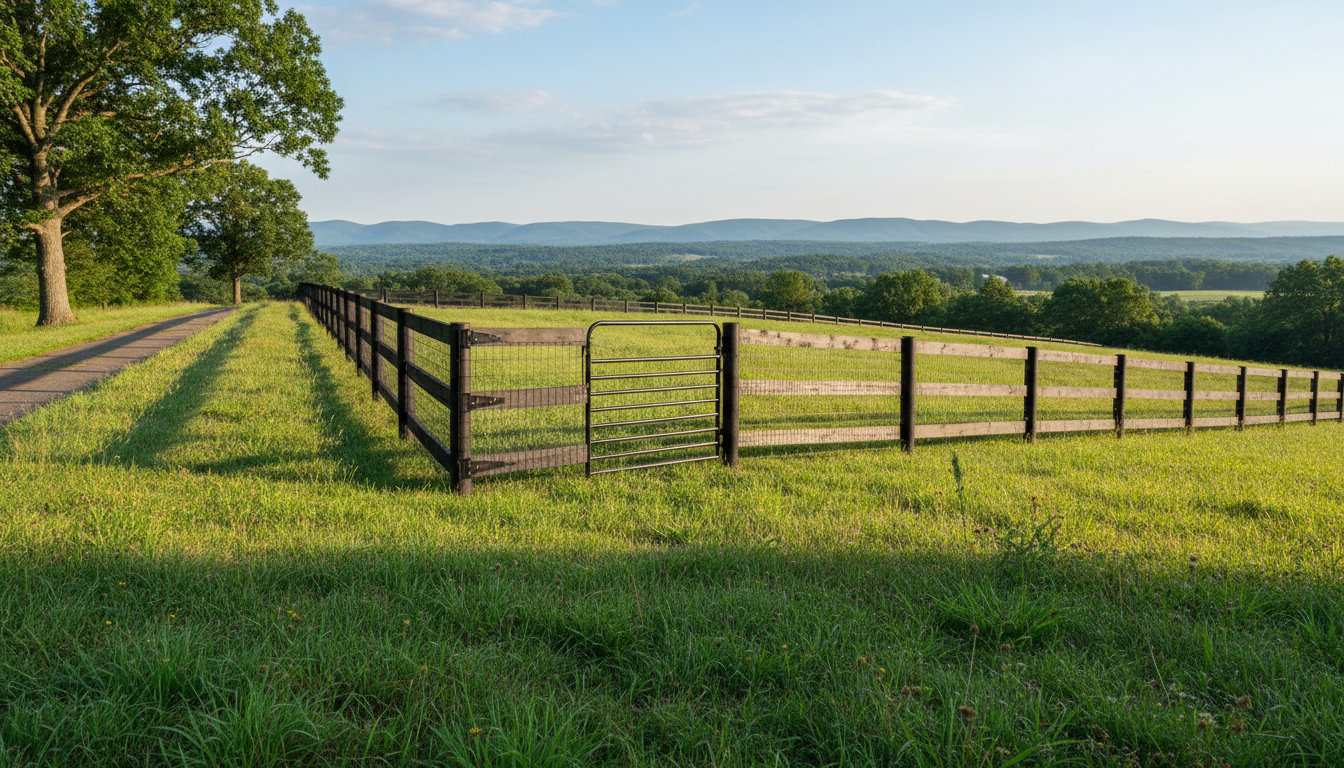
A well-planned fence can follow uneven ground while still looking clean and intentional.
Challenging terrain starts with the first site walk
Before any post goes into the ground, experienced installers study the property. They look for grade changes, soft soil, rock, tree roots, drainage paths, and access issues. These details affect how the fence should be built.
On a flat lot, layout is fairly direct. On a sloped or uneven Staunton property, the installer has to answer questions like:
- Should the fence step down the hill or follow the slope?
- Will gates swing properly on uneven ground?
- Does water collect near the planned fence line?
- Are there buried utilities near the post locations?
- Will the fence meet local setback or height rules?
That early planning helps prevent crooked lines, leaning posts, awkward gaps, and gates that drag. A professional fencing company also checks utility safety before digging. Homeowners can learn more about safe digging through Virginia 811, which helps locate underground utilities before excavation begins.
Sloped yards need the right fence style
Slopes are one of the most common challenges for fence work in Staunton, VA. The right method depends on the fence material, the steepness of the hill, and the look the property owner wants.
Stepped fencing creates a level, structured look
A stepped fence uses level fence panels that drop in sections as the ground changes. This method works well for many privacy fences and ornamental styles. It creates a neat stair-step effect.
The tradeoff is that gaps may appear under parts of the fence where the ground falls away. Skilled installers reduce those gaps by adjusting post placement, panel height, or ground clearance where possible.
Racked fencing follows the ground more closely
A racked fence, sometimes called a contoured fence, angles with the slope. This creates a smoother line along the ground and can reduce open spaces at the bottom.
This style is often a good fit for aluminum, chain link, and some picket fence designs. A privacy fence installer will consider whether the chosen material can rack without weakening the panel or creating an uneven appearance.
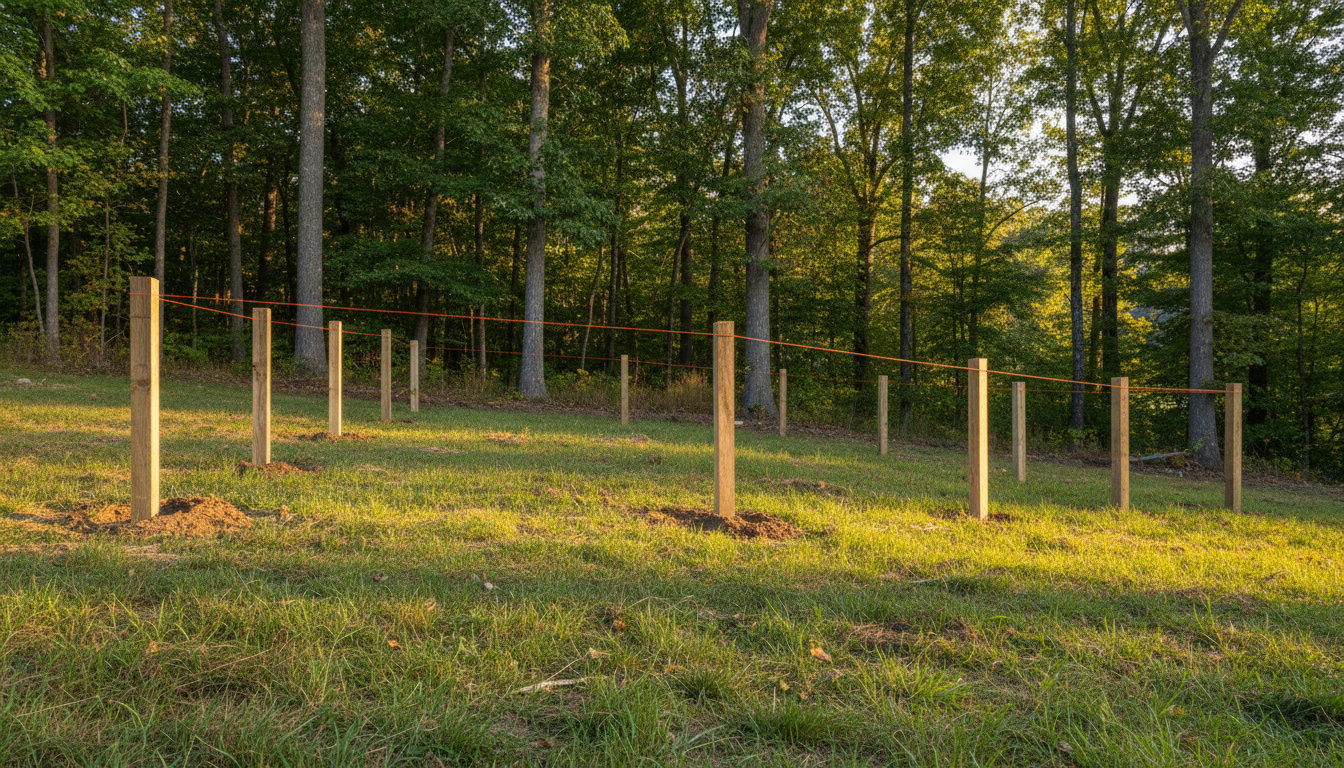
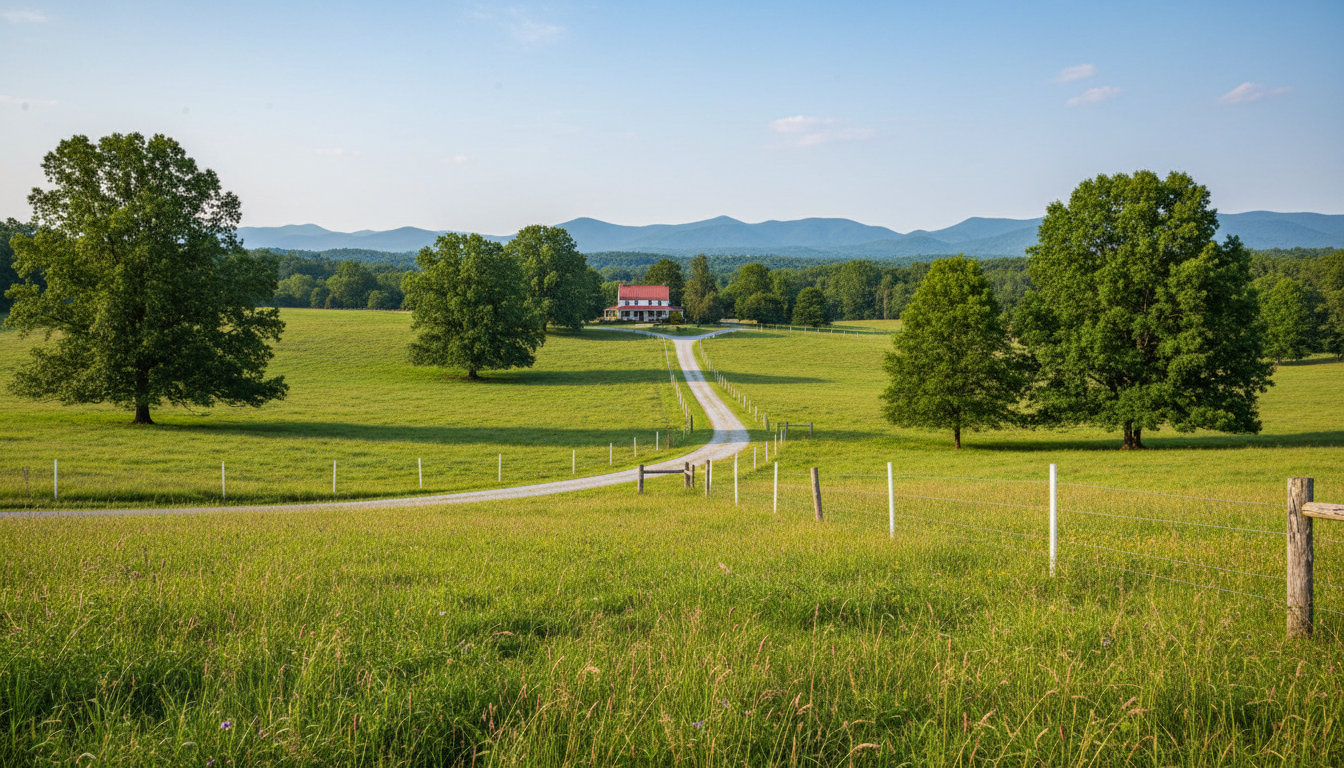
Post placement determines whether a sloped fence looks polished or pieced together.
Post depth and alignment matter more on uneven ground
Fence posts carry the whole structure. On challenging terrain, they have to resist more stress from gravity, soil movement, wind, and water.
Installers use string lines, levels, laser tools, and careful spacing to keep the fence aligned. They also adjust post depth based on soil conditions and fence height. Rocky ground may require different digging equipment. Soft or wet soil may need extra attention so the post does not shift over time.
Concrete footing is not just about holding a post in place. It also helps manage movement from weather and soil pressure. If the base is poorly set, the fence may look fine at first but start to lean after seasonal changes.
This is where hiring a local fence company makes a real difference. Crews familiar with Staunton and nearby areas understand the mix of slopes, older properties, rural acreage, and residential lots common to the region.
Gates are often the hardest part of a difficult fence line
A fence can adjust to a hill, but a gate still has to open, close, latch, and clear the ground. That makes gate placement one of the most important decisions on a challenging lot.
Installers may recommend placing gates on the flattest available section of the yard. If that is not possible, they can use custom sizing, adjusted hinge placement, or grade correction near the opening.
Common gate problems on rough terrain include:
- Bottom rails scraping the ground
- Latches missing their strike point
- Heavy gates pulling posts out of alignment
- Large gaps under the gate
- Poor drainage near the entrance
Strong gate posts, proper bracing, and smart placement help solve these issues before they become daily frustrations.
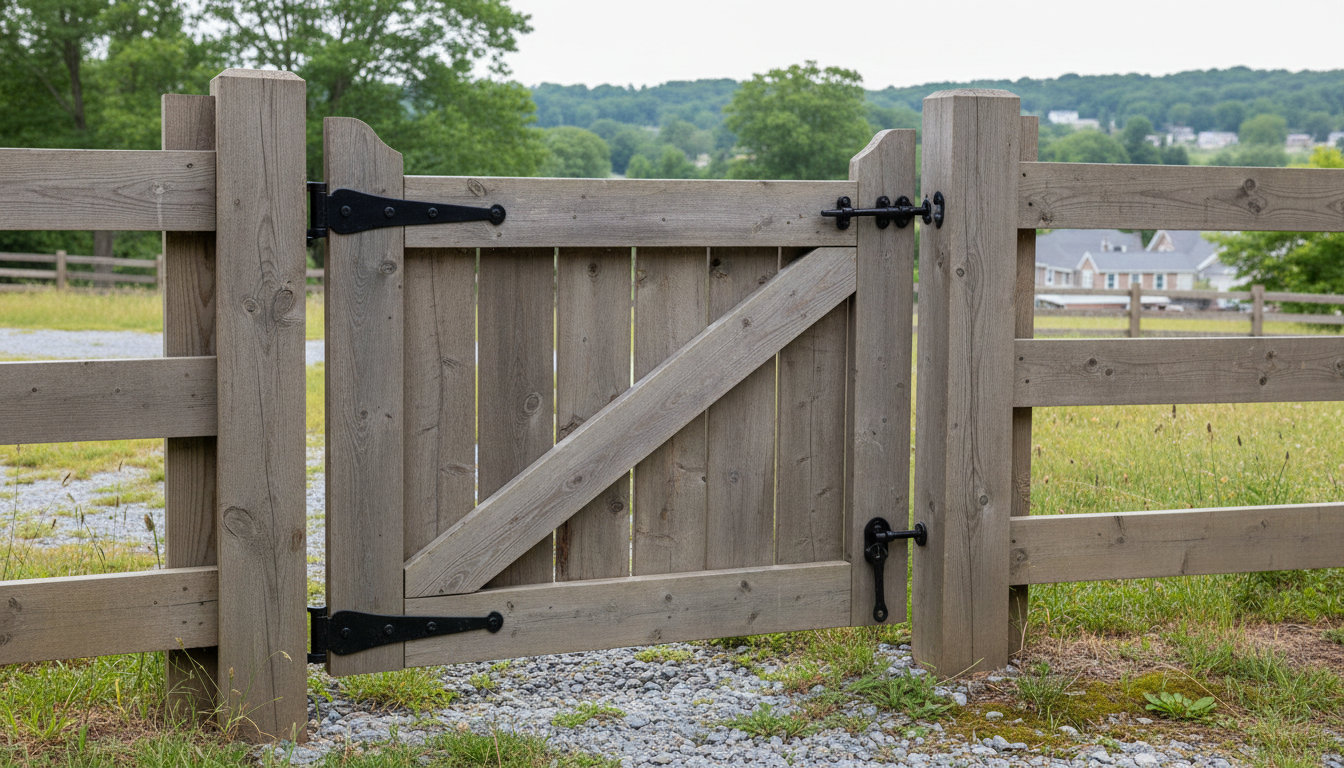
Gates need extra planning when the land rises, drops, or drains toward the opening.
Drainage and soil conditions shape the final build
Water is one of the biggest long-term threats to fences. If runoff flows toward the fence line, it can weaken soil around posts, cause wood to decay faster, and create muddy low spots.
Professional installers look at how water moves across the property. They avoid placing posts where water constantly pools when possible. They may also suggest small grade adjustments, gravel near problem areas, or material choices that handle moisture better.
Wood fence builders pay close attention to this step because wood performs best when it is kept off saturated ground and allowed to dry properly. Vinyl, aluminum, and chain link may offer advantages in wet or low-maintenance areas, but each material still needs solid posts and proper layout.
Materials should fit the terrain, not just the style
A fence should match the property, but looks are only part of the decision. Terrain affects which materials make the most sense.
Wood offers warmth and privacy, and it can be customized on many sloped lots. Aluminum works well for elegant boundaries and can often follow grade changes. Chain link is practical for large or irregular areas. Vinyl provides a clean appearance but may require careful planning on sharp slopes.
The best fences contractor will not force one material into every yard. Instead, they will match the fence type to the slope, soil, use, and maintenance expectations.
For examples of fence options and local installation services, visit Fortress Fence Works.
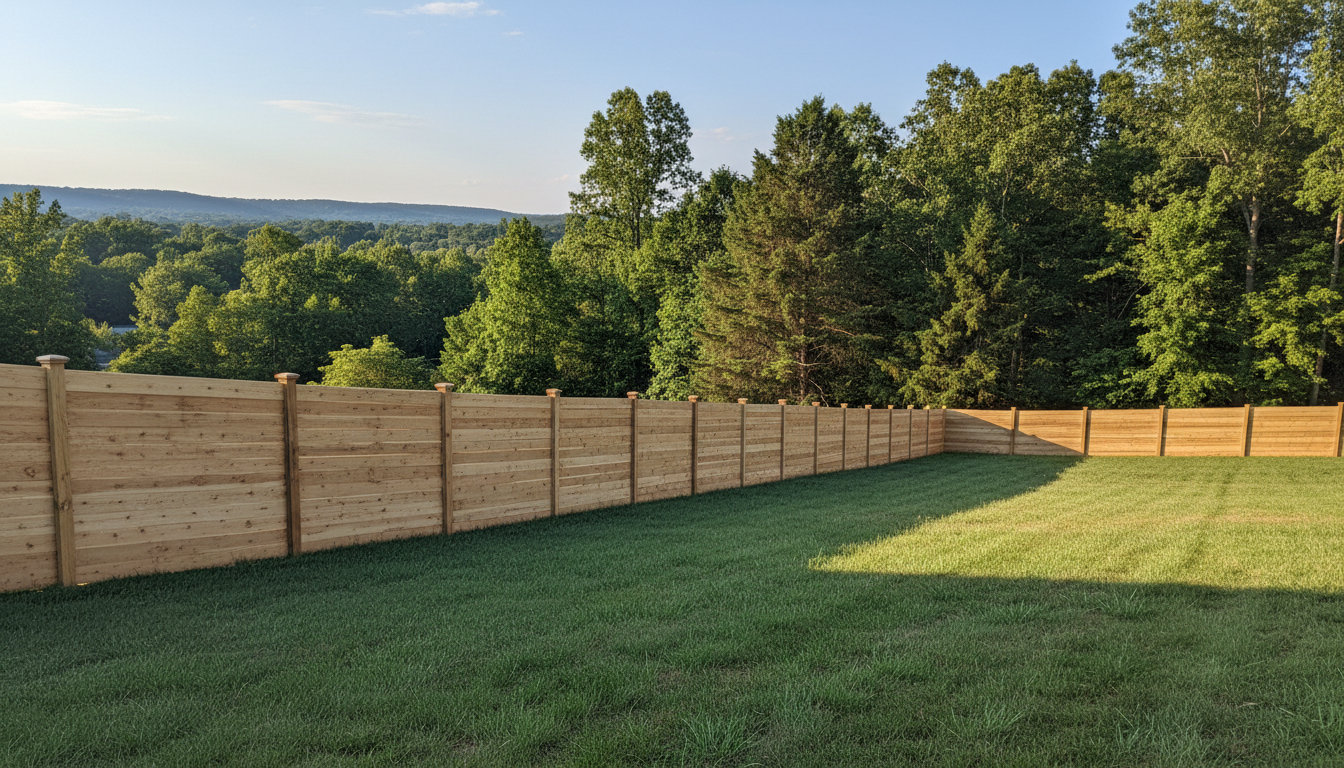
The finished fence should feel like it belongs to the land, not like it fought against it.
A better fence starts with a better plan
Challenging terrain does not have to limit the look or strength of a fence. It simply calls for better planning and skilled installation.
In Staunton, VA, hills, uneven yards, rocky soil, drainage paths, and older property lines can all affect the final result. Professional fence installers know how to adjust the design before problems show up. They plan the layout, set posts correctly, protect gate function, and choose materials that suit the land.
The takeaway is simple: a fence built for the terrain will last longer, work better, and look more natural on the property.
Modern Fence Designs in Staunton, VA for Stylish Outdoor Spaces
Upgrading Your Outdoor Space with Modern Fence Designs in Staunton, VA
How Professional Fence Installers Handle Challenging Terrain in Staunton, VA